


| Language | Roman / English Name | Native Script | Urdu |
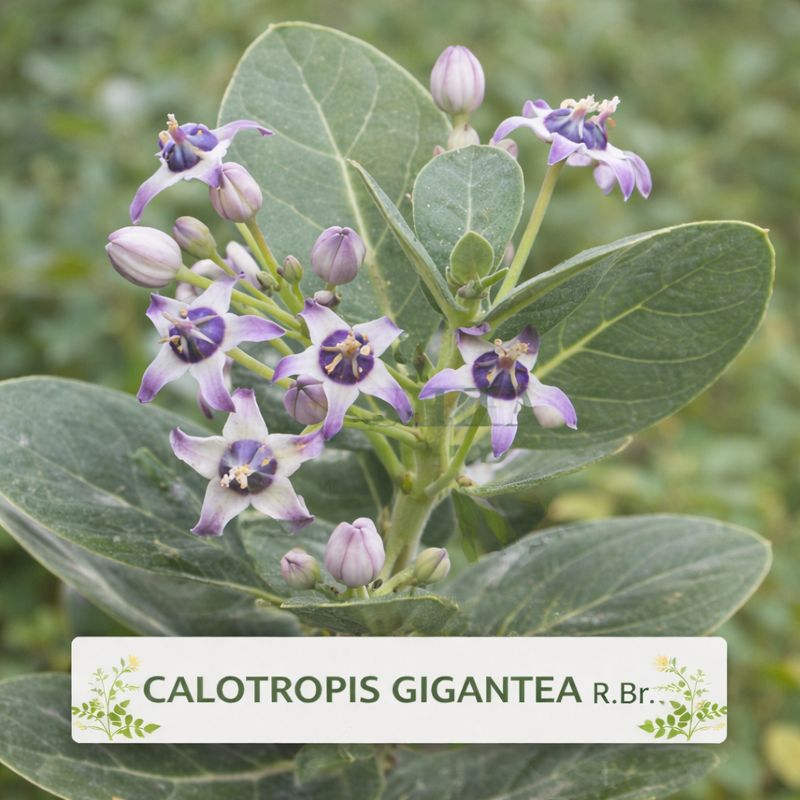
| Scientific Name | Calotropis gigantea | Calotropis gigantea | کیلوٹروپس جائگینٹیا |
| Botanical Name | Calotropis | Calotropis | کیلوٹروپس |
| Latin Name | Calotropis gigantea | Calotropis gigantea | کیلوٹروپس جائگینٹیا |
| Family Name | Apocynaceae | Apocynaceae | اپوسائنیسی |
| Genus Name | Calotropis | Calotropis | کیلوٹروپس |
| English Name | Swallow-wort, Milkweed, Madar | Calotropis | مدار |
| Urdu Name | Aak, Madar | آک / مدار | آک / مدار |
| Arabic Name | Ushar, Ashur | عُشَر | عشر |
| Persian Name | Zahar Nak, Kharaq, Zahook | زهرناک | زہراناک |
| Punjabi (Pakistan) Name | Ak | اَک | آک |
| Sindhi Name | Ak | اڪ | آک |
| Pashto Name | Ak | اَک | آک |
| Balochi Name | Ak | اَک | آک |
| Saraiki Name | Ak | اک | آک |
| Hindko Name | Ak | اک | آک |
| Brahui Name | Ak | اک | آک |
| Kashmiri Name | Aeka | ایکا | ایکا |
| Hindi Name | Ak, Madar | आक / मदार | آک |
| Bengali Name | Akand | আকন্দ | اکند |
| Gujarati Name | Aakado | આકડો | آکڑو |
| Marathi Name | Ruvi, Aak | रुई / आक | روئی |
| Kannada Name | Ekk | ಎಕ್ಕ | ایک |
| Tamil Name | Erukku | எருக்கு | ایروکو |
| Telugu Name | Jilledu | జిల్లేడు | جلیڈو |
| Malayalam Name | Erukku | എരുക്ക് | ایروک |
| Odia Name | Arakha | ଅରଖ | ارکھ |
| Assamese Name | Akand | আকন্দ | اکند |
| Nepali Name | Aank | आक | آک |
| Sinhala Name | Wara | වරා | ورا |
| Sanskrit Name | Arka | अर्क | ارک |
| Chinese Name | Niu jiao gua | 牛角瓜 | نیو جیاو گوا |
| Japanese Name | Calotropis | カラトロピス | کیلاٹروپس |
| Korean Name | Calotropis | 칼로트로피스 | کیلاٹروپس |
| Thai Name | Rak | รัก | رک |
| Indonesian Name | Widuri | Widuri | وِدوری |
| Malay Name | Widuri | Widuri | وِدوری |
| Vietnamese Name | Bông tai | Bông tai | بونگ تائی |
| Turkish Name | İpek ağacı | İpek ağacı | ایپک آغاجی |
| Russian Name | Kalotropis | Калотропис | کالوٹروپس |
| German Name | Kronenblume | Kronenblume | کرونن بلوم |
| French Name | Arbre à soie | Arbre à soie | ارب آ سوا |
| Spanish Name | Algodón de seda | Algodón de seda | الگودون |
| Portuguese Name | Algodão-de-seda | Algodão | الگوداؤ |
| Italian Name | Calotropis | Calotropis | کیلوٹروپس |
| Greek Name | Kalotropi | Καλοτρόπη | کالوٹروپی |
| Latin Name (Classical) | Calotropis | Calotropis | کیلوٹروپس |
| Swahili Name | Mbarika | Mbarika | مباریکا |
Medicinal Uses and Properties
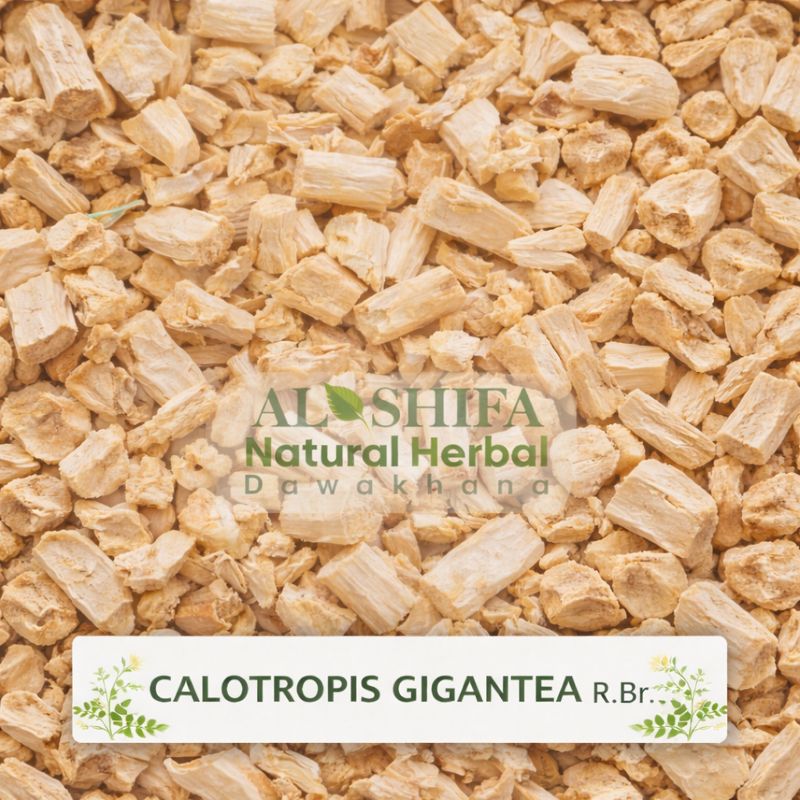
The dried root bark possesses a wide range of therapeutic properties, including abortifacient, alterative, anthelmintic, anti-inflammatory, antispasmodic, bitter, depurative, digestive, emetic, expectorant, febrifuge, laxative, stomachic, and tonic actions. It is traditionally used to relieve painful urination (strangury), promote healing of ulcers, and support respiratory health by acting as an expectorant. It is also employed in the management of splenic enlargement, asthma, and dysentery.
A compound known as calotropin, extracted from the roots, has shown effectiveness in fertility regulation by reducing sperm motility. The leaves are commonly used to alleviate abdominal pain and are beneficial in conditions such as oedema and enlargement of abdominal organs.
The flowers have anthelmintic, appetising, astringent, bitter, digestive, stomachic, and tonic properties. They are used in the treatment of piles, asthma, loss of appetite, and wounds, and are also considered beneficial in cases of cholera.
When applied externally, the plant is used to help relieve symptoms of rheumatism, paralysis, and gout.
Recommended Dosage
-
Dried Flower: 125 mg to 375 mg (powder)
-
Leaf: 250 mg to 750 mg (powder)
-
Root Bark: 250 mg to 1 g (powder)
Contraindications and Precautions
The root should not be used during pregnancy. Excessive doses may lead to adverse effects such as vomiting, diarrhoea, slow heart rate (bradycardia), and convulsions.

